|


|
DON’T BELIEVE THEM WHEN THEY TELL YOU FASTING IS POINTLESS AND UNBIBLICALFasting is a spiritual discipline that assists in the installation and restoration of peace, destroying yokes, pulling down strongholds, breaking chains, casting down imaginations and every high thing that exalts itself against the knowledge of God. Just a friendly reminder, Biblical fasting is always from food. The flesh does not like missing meals! In terms of fast, a Pastor can call a communal time of fasting. A husband can call a family fast. But for the most part, the length and type of your fast is very personal and between you and God. You will need to pray about what you should do. It’s not about how long you fast unless the Holy Spirit has given you specific leading. A one-day fast or any other length can be impactful and powerful for personal growth with the right motivation and a godly heart and attitude. The Bible provides examples of fast of varying lengths: 1. A 1-day fast (sunrise to sunset). Judges 20:26, to seek direction from the Lord . 2. A 3-day fast without food or drink. Esther 4:16, for wisdom, discernment, protection, and guidance. In Acts 9:9 Saul was converted but for 3 days he went without food and water. So far, I’ve found that these 3-day fasts are the last complete fasts mentioned. The rest of the fasts either do not specify or say food only was fasted. 3. A 7-day fast. 1 Samuel 31:13. For wisdom, grief, and guidance. 4. A 10-day fast of vegetables and water only. Daniel 1:12, Daniel was fasting for favor, strength, wisdom, and discernment. 5. A 14-day fast. Acts 27:33-34. Paul and the men on the ship fasted food for protection and wisdom. 6. A 21-day fast. Daniel 10:3, for times of distress and mourning. No meat, wine, rich or pleasant food, and no oils. Fruit, vegetables, nuts, and water instead. In modern times, this is a popular fast (and diet). 7. A 40-day fast. There are only three 40-day fasts in the Bible. Each person was divinely appointed and touched by God for this type of fast. Because we are only told of these three fasting for 40 days, I would caution you to be very careful in undertaking this type of fast. A 40-day fast is not something you should ever jump into unprepared. • Exodus 34:28 and Deuteronomy 9:9, 9:18. Moses neither ate nor drank water. • In 1 Kings 19:8, Elijah ate and drank then was sustained for his no food or water fast for the next 40 days. • In Matthew 4:2-4, Jesus fasted food for 40 days. It says afterward he was hungry (being thirsty isn’t mentioned and Satan tries to tempt him with food, not water). In Luke 9:28-36 when Yeshua went to the mountain to pray, he took Peter, James and John with him. While Yeshua was praying Moses and Elijah appeared. They are the only three that the bible documents as having fasted 40 days and nights, and they all exhibited supernatural power. I have some ideas as to the connection and significance, but they have not been studied enough to mention currently. This article has been put together from multiple sources and my own personal experience and study. But as always, when thinking about fasting you should do as you feel the Holy Spirit is leading you. If you are unsure, consult with your Pastor or a trusted church leader. If you have medical conditions consult your doctor. For me the Holy Spirit trumps all.
|
|
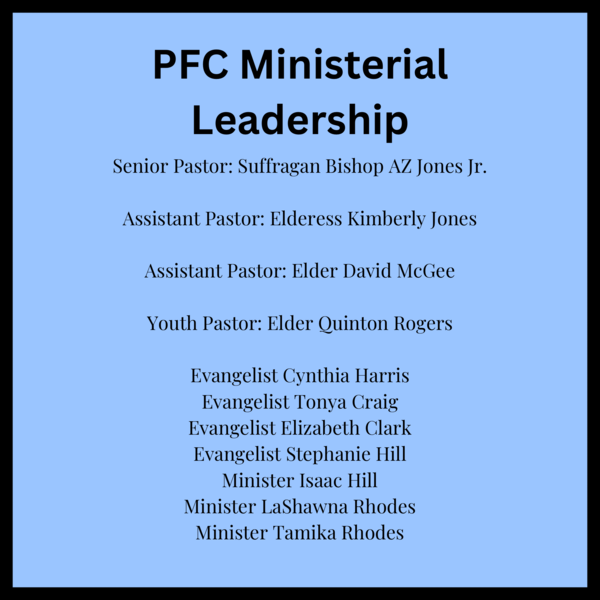
Leadership |
|
Resurrection Sunday |
|
******* |
|
******* |
|
******* |

|
True IntegrityAt a job interview, Carol was asked repeatedly, “Why did you leave your previous job?” The interviewer had an inkling of the conflict she’d had with her former employer and wanted to know what had happened. While acknowledging “differences in working style,” Carol refused to divulge her opinion of her former boss, believing that it would be wrong to speak ill of him. Later, after she was hired, her new boss revealed that the hiring personnel liked her response: “We were impressed by your integrity. We wouldn’t want you to bad-mouth your boss—or us next time—either.” As a new believer in Jesus, Carol had always wondered how to live in a “godly” and “right” way, practically. She realized the answer could be simple: Show integrity and be honorable, honest, and ethical. First Peter 2:12 points to the importance of integrity in everything: “Live such good lives among the pagans that . . . they may see your good deeds and glorify God on the day he visits us.” This includes practical things like submitting to lawful authorities (vv. 13-14); doing good (v. 15); showing an attitude of humility and service (v. 16); and respecting and loving others (v. 17). As God helps us, let’s serve Him in a way that brings honor to His name. ~Leslie Koh Reflect & Pray In what simple and practical ways can you live out your faith? What words and actions would you use or avoid? Dear Father, please give me the wisdom to show integrity, love, and respect for others each day so Your name will be glorified in all I say and do. Source: odbm.org/en/devotionals/devotional-category/true-integrity |

|
Can You Trust Your Conscience?5 Now the purpose of the commandment is love from a pure heart, from a good conscience, and from sincere faith, 6 from which some, having strayed, have turned aside to idle talk, 7 desiring to be teachers of the law, understanding neither what they say nor the things which they affirm. I Timothy 1:5-7 To help us distinguish between right and wrong, God has given us a conscience that serves as a kind of spiritual radar. The condition you keep it in will determine how much you can trust it. The sacred conscience is one that has been kept spotless through confession of sin (1 John 1:9) and reflects a desire to know and follow God’s will. Once we are cleansed, we can live without guilt, walking openly and transparently. When we do sin, we know immediately that we need to get right with God. The struggling conscience is clogged with rules and regulations, and its spirit of legalism makes us critical of our performance. Having created our own system of “should, ought, and must,” we use it to determine right or wrong. In doing so, we show a lack of understanding about God’s righteousness, which can never be replaced with self-righteousness (Philippians 3:8-10). The soiled conscience is stained from harboring sin. If we consistently choose our way over God’s, we lose sight of what’s beautiful and true. The seared conscience is insensitive to sin. When we resist and ignore its warnings, it will become numb and unresponsive. Ask God to show you how well your conscience is operating, and where there’s room for improvement, allow Him to restore it. Source: intouch.org/read/daily-devotions/can-you-trust-your-conscience |
|
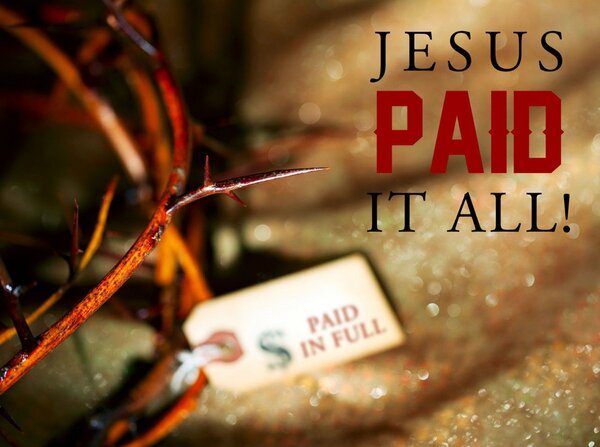
The Redeemer Goel (ga-AL), Lytron (LU-tron)Without a Redeemer willing and able to pay the high price necessary to liberate us from the power of sin, the story of our lives in this world would be nothing but a story of hopelessness. But because of Christ’s redemptive love, we look forward with hope to a day when the world itself will be completely liberated from the power of sin and death. Until then we can express our faith in Christ by echoing the words of Scripture: I know that my Redeemer lives and that in the end He will stand upon the earth. And...in my flesh I will see God (Job 19:25-26 NIV) . Redemption involves winning back, buying back, or repurchasing. The most dramatic example of this in the Old Testament was the exodus of God’s people from Egypt. The former slaves praised Yahweh for acting as their Redeemer (Exodus 15:13). Subsequently, the prophets often linked redemption with freedom from political oppression. God is often called “Redeemer” (Ga’al; ga-AL) in the Old Testament. Though the New Testament never directly refers to Jesus as the Redeemer, it makes clear that He offered Himself as a ransom or as redemption (Lytron; LU-tron) when He died on the cross. Rather than liberating His people from political oppression, as many expected the Messiah to do, Jesus came to free His people from the demonic powers to which sin had enslaved them. His blood was the purchase price, offered not to satan but to the Father as the ultimate expression of His love. By giving life for them and for us, Jesus didn’t make light of our guilt but lifted us, as one commentator has said, “out of disobedience into His own obedience,” thereby freeing us from the bondage of sin and remaking us in His image. Source: Spangler, A. (2023) Praying the Names of God For 52 Weeks, Expanded Edition HarperChristian Resources. |
